Energy management and monitoring
Module 1Lection 4
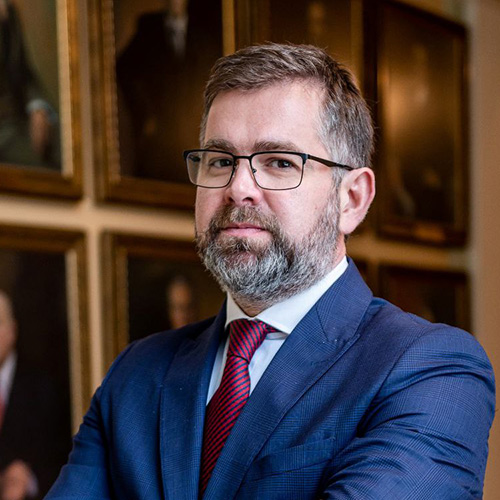
Valeriy Bezus is an experienced top manager, economist, and financier with extensive experience in both the private and public sectors. Expert in the fields of energy transformation and sustainable development, decarbonization of the economy and energy efficiency, energy and municipal infrastructure, renewable energy sources, district heating, water supply and wastewater treatment.
Has a PhD in public administration, higher economic and higher legal education.
He has studied investment planning, project management, and public administration in Austria and Germany.
He has worked in senior positions in the private and public sectors, in local governments, and in the civil service.
Head of the State Agency for Energy Efficiency and Energy Saving of Ukraine (2021-2023). He was an advisor to the Minister of Development of Communities, Territories and Infrastructure of Ukraine and Deputy Chairman of the Dnipropetrovsk Regional Council. He has the 3rd rank of civil servant.
He is actively involved in public, expert and scientific and practical activities as Vice President of the Energy Club.
Honorary President of the All-Ukrainian Association of Drinking Water “Borysfen”.
Specialization – investment design, energy transformation, decarbonization of the economy, energy efficiency and renewable energy.
Lecture content
- Energy management: goals and objectives
- Basic principles of energy management
- Strategic planning of energy management
- Energy audit
- Implementation of energy-efficient technologies
- Energy supply risk management
- Continuous monitoring and improvement (PDCA)
- Standards as systematization tools
- Energy resource monitoring
- Interrelationship of energy management and monitoring
- Active links (NPAs, standards, resources)
- Glossary
- Self-test questions
Energy Management: Goals and Objectives
There is a consensus in the energy environment: energy management is the cornerstone of energy efficiency and the highest order category in the context of energy and energy systems.
Just as a systemic business is impossible without financial management, stable results in energy efficiency are impossible without energy resource management. A system of measures related to energy resource management is of paramount importance.
Organizational energy management measures must be supported by resources, methods, tools and, in particular, investments. The introduction of energy management even at the level of organizational steps allows you to increase the level of energy efficiency by 5–15% depending on the state of the system, the scale and volume of investments.
Definition. Energy management is a systematic approach to managing energy resources, aimed at optimizing their use, reducing losses and minimizing environmental impact. Includes planning, organization, control and analysis of energy flows.
Objectives:
- efficient use of energy;
- reduction of energy consumption;
- reduction of greenhouse gas emissions;
- increasing the competitiveness and efficiency of enterprises, organizations, communities.
Tasks:
- conducting an energy audit to assess the current state;
- development and implementation of energy efficiency measures;
- continuous monitoring and analysis of energy indicators;
- training personnel in the principles of energy efficiency.
2. Basic principles of energy management
Principles are fundamental approaches that ensure effective management of energy resources:
- strategic planning;
- energy audit;
- implementation of energy-efficient technologies and measures;
- continuous monitoring and improvement.
3. Strategic planning of energy management
Strategic planning is the basis of energy management. It includes defining long-term goals and developing measures to achieve them.
Stages:
- Analysis of the current state: assessment of the organization’s energy needs; identification of the main sources of energy consumption.
- Setting goals: reduction of energy consumption by a certain percentage; transition to renewable energy sources; compliance with standards (e.g. ISO 50001).
- Strategy development: key areas (equipment modernization, process optimization); phased implementation.
- Resource provision: financing of activities; involvement of qualified specialists.
Key principles: a systematic approach to energy management and integration of energy management into the overall strategy of the enterprise.
Where energy management “lives” in the organization
Enterprises have a chief energy officer and an energy manager. It is recommended to launch an energy management system in planning and economic departments (strategic planning), rather than as part of the chief energy officer’s service. The chief energy officer’s service is about reliable energy supply; energy management is about broader management decisions and strategy. Planning and economic services already have the necessary processes, it is worth adding an energy management component along with the financial and economic ones.
Standards and external requirements
ISO 50001 is the most well-known energy management standard. Its presence is a significant factor in cooperation with international partners, especially in the context of CBAM (carbon border adjustment at the EU border). Compliance with standards is a tool for overcoming barriers to market access.
Any organizational measures require a strategy and plans for energy-efficient measures: equipment modernization, process optimization, resource provision. It is important to integrate energy management into the overall strategy and operational management of the enterprise in order to achieve faster results.
4. Energy audit
Energy audit is a process of comprehensive analysis of energy consumption aimed at identifying reserves for energy efficiency.
Main stages of the audit:
Preparatory stage:
- collection of initial data (energy bills, technical documentation).
- identification of objects for analysis.
Survey:
- inspection of equipment and power supply systems.
- measurement of energy consumption using special devices.
Data analysis:
- identification of the main sources of energy loss.
- calculation of potential savings.
Development of recommendations:
- proposals for implementation of energy-efficient measures.
- assessment of economic feasibility.
The largest number of methodologies and staffing today is in the field of energy efficiency of buildings (certification of auditors, quality requirements, etc.). At the same time, an external auditor is not always needed for basic inspections: the company’s management has sufficient analytical skills to collect data and conduct an initial analysis for its own needs.
5. Implementation of energy-efficient technologies
You cannot do without technological and organizational developments. The minimum is to optimize the operation of existing systems. Even a simple sign “Please turn off the lights” is already a result.
Optimization of existing systems:
- equipment modernization;
- implementation of automatic control systems.
Energy-efficient technologies:
- use of energy-efficient equipment and materials;
- use of waste energy potential, energy recovery.
Integration of “smart” systems:
- use of the Internet of Things (IoT) for energy monitoring and management;
- creation of centralized energy resource management systems.
Renewable energy sources:
- photovoltaics, solar systems, wind generation, heat pumps, etc.
There is always a range of solutions in terms of benefit analysis. It is not necessary to change all the equipment at once – sometimes it is enough to adjust the modes, optimize consumption. At the household level – the transition to multi-zone meters; in production – a wider range of tools.
European integration helps: less efficient equipment units are gradually withdrawn from circulation and replaced with more energy-efficient ones. The principle of Energy efficiency first works – both at the policy level and as a logic of strategic management. Digitalization significantly accelerates the effects; in combination with renewable energy, it provides a significant productivity reserve.
6. Energy supply risk management
Energy management includes the management of risks associated with energy supply.
Identification of risks:
- dependence on a single energy source;
- fluctuations in energy prices;
- political and economic factors.
Minimization of risks:
- diversification of energy sources;
- creation of backup energy supply systems;
- long-term contracts with suppliers.
7. Continuous monitoring and improvement (PDCA)
Energy management is a continuous process. Given the rapid dynamics of technologies, the EMS requires constant monitoring and improvement.
Regular analysis of indicators:
comparison of actual results with planned ones; search for new energy saving opportunities.
Adaptation to changes:
new technologies; new regulatory requirements; staff training.
PDCA cycle:
- Plan (planning): development of energy efficiency plans;
- Do (execution): implementation of measures;
- Check (control): monitoring of results;
- Act (correction): making changes for improvement.
8. Standards as systematization tools
International energy management standards — ISO 50001, ISO 50002 and others — help to systematize energy management processes, reduce losses and comply with the principles of sustainable development. Their implementation is a key step towards creating an energy-efficient and environmentally responsible economy.
ISO 50001 “Energy management systems. Requirements and guidance for use”;
ISO 50002 “Energy audits. Requirements and guidance for their conduct”, which defines the requirements for the energy audit process in terms of increasing the level of achieved/achievable energy efficiency;
ISO 50003 “Energy management systems. Requirements for bodies that conduct audits and certification of energy management systems”, which establishes the requirementsto competence, consistency and impartiality in auditing and certifying energy management systems (EMS) for bodies providing these services;
ISO 50004 “Energy management systems. Guidance on the implementation, maintenance and improvement of an energy management system”,which provides practical guidance and examples for establishing, implementing, maintaining and improving an energy management system (EMS) in accordance with the systematic approach of ISO 50001;
ISO 50006 “Energy management systems. Measurement of achieved/achievable energy efficiency using energy baselines and energy performance indicators. General provisions and guidance”, which provides guidance for organizations on how to establish, use and maintain energy performance indicators (EPIs) and energy baselines (EBBs) as part of the process of measuring the level of achieved/achievable energy performance;
ISO 50015 “Energy management systems. Measurement and verification of the level of achieved/achievable energy performance of organizations. General principles and guidance”, which defines general principles and guidance on the process of conducting measurements and verification (VV) of the level of achieved/achievable energy performance of an organization or its components;
LEED Leadership in Energy and Environmental Design. A “green” building certification system that includes energy efficiency requirements;
ENERGY STAR International certification program for energy-efficient products, buildings and enterprises.
Requirements for compliance with standards will be strengthened by regulatory and legal regulation. The implementation of EMS that meet the standards is becoming a practical condition for communities when receiving funding from the state budget and from international partners. European integration expands the possibilities of assistance, but also increases the requirements. The presence of certified energy management systems is a significant plus for attracting financial and technical resources (donor assistance, IFOs, etc.).
9. Energy Monitoring
Monitoring is the process of continuously observing, collecting, analyzing, and interpreting energy consumption data. It provides accurate, real-time information.
Main elements:
- data collection: meters, sensors, automation systems (SCADA, IoT);
- data analysis: identifying trends, anomalies, opportunities for optimization;
- visualization: graphs, charts, reports.
Why is monitoring needed:
- accurate measurement of energy consumption;
- identification of losses and inefficient processes;
- support of informed management decisions;
- assessment of the effectiveness of already implemented measures.
10. The relationship between energy management and monitoring
Energy management without monitoring is impossible. Energy monitoring system is a driver of management decisions.
Monitoring allows:
- to identify key energy saving points;
- to monitor the implementation of energy efficiency plans;
- to respond quickly to changes in energy flows.
Together, energy management and monitoring create a closed loop:
planning → implementation → control → analysis → correction.
If a local government is only at the beginning of implementing energy management, software for accounting for energy consumption indicators can be obtained from international donors under grant projects, in particular GIZ.
📎 Active links (NPA, standards, resources)
- Law of Ukraine “On Energy Efficiency” (VRU): https://zakon.rada.gov.ua/laws/show/1818-20#Text
- CMU Resolution on the organization of energy management and energy monitoring: https://zakon.rada.gov.ua/laws/show/540-2024-%D0%BF#Text
- ISO 50001 (official ISO page): https://www.iso.org/ru/iso-50001-energy-management.html
- ISO 50002 (energy audit): https://www.iso.org/obp/ui#iso:std:iso:50002:ed-1:v1:en
- EU CBAM (official portal): https://taxation-customs.ec.europa.eu/carbon-border-adjustment-mechanism_en
https://taxation-customs.ec.europa.eu/carbon-border-adjustment-mechanism/cbam-registry-and-reporting_en - GIZ Ukraine — supporting communities in energy efficiency: https://www.giz.de/en/projects/pidvischuyuchi-energoefektivnist-v-ukraini